A Life-Changing Decision
It was difficult to begin with, and the temptation to connect to Wi-Fi, especially where it was free, was almost unbearable. I had to fight the urge hard to not connect. I had to fight the urge to check in on Facebook, a quick look at reels on Instagram and check my LinkedIn profile.
I had to resist the urge to check emails, especially work emails. That feeling of needing to be always on and the dread of how many unread emails I would have was almost too much.
The same as any addiction, I was having withdrawals. The fear of missing out was high, and the temptation to “just switch it on for 5 minutes” was terrible. I nearly succumbed a number of times.
However, by the end of the trip, I had thoroughly enjoyed 10 days of getting to know the people I was trekking with (I didn’t know anyone else beforehand), I had enjoyed just being in nature, and I had enjoyed just observing what was going on around me.
When I returned, I felt very differently about my phone. I simply did not want to turn it back on when we landed at Heathrow. Luckily, I didn’t have to turn it on immediately, and it was only a few hours later that I reluctantly turned it back on.
The anxiety that built in me over those couple of hours felt familiar yet soul-destroying. There was dread about what was going to be waiting for me. I built it up in my mind that there was going to be something so large and so disastrous that my life would be consumed.
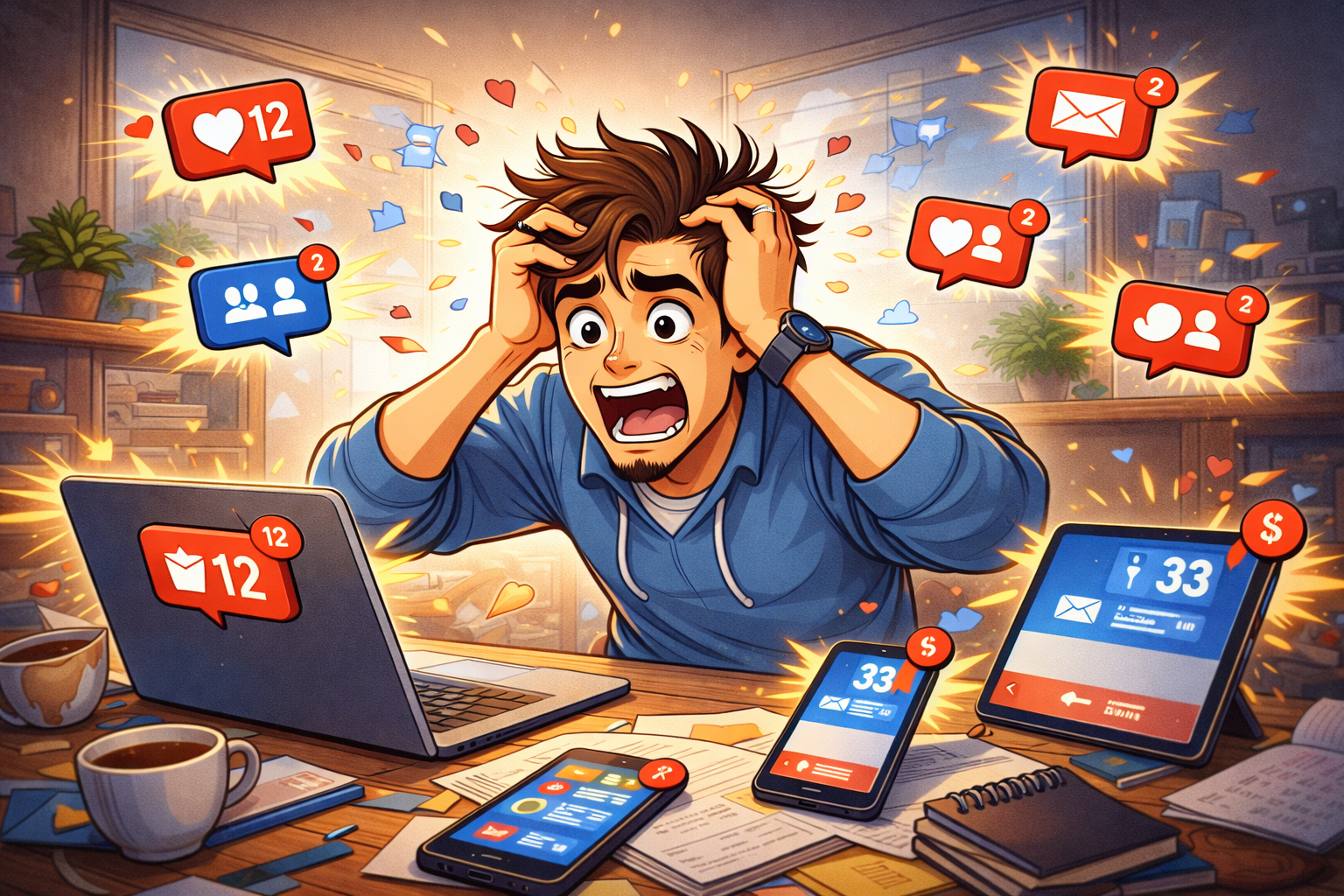
I felt that fizzing in my body, that dread, that anxiety. But on the flip side, I’d enjoyed being free of distraction, I’d enjoyed not being fearful every time I unlocked my screen, there would be tens if not hundreds of those darn little red notifications with the number of alerts in there.
I immediately went to my notifications settings and turned off every single form of notification for every single app. I prevented calls from coming in if I didn’t have the number stored in my phone. I turned off the ringer, and I turned off the vibration of a message coming in.
It was life-changing, and I realise that is a big statement.
‘It Can Wait Until I’m Ready’
The important people who need to be able to get through are now marked in my phone in a way that their messages can come through, but everything else – it can wait until I am ready to read or listen to the messages. WhatsApp groups are muted. Emails don’t ping through at all times of the day and night. I feel calmer, I feel more in control.
Now that I am self-employed, I’ve loosened the restrictions about calls coming in, BUT the ringer is still off, and the vibration is off. I will often turn the phone face down (who remembers when HTC phones would silence calls when the phone was face down?) so I can focus.
Will it REALLY matter in the whole scheme of things if I don’t immediately pick up the call or message? No. Will I miss an opportunity for some work? Maybe, but I can’t spend my life at the beck and call of the small computer in the palm of my hand.
My peace and calming my anxieties is more important. I’m more effective and more present if my mind is not distracted. I’m healthier for it, and that will result in more effective, more meaningful and more impactful work for my clients. I get to choose how I live my life, and I get to choose if I want to be “on”. I know my nervous system is thanking me for it.